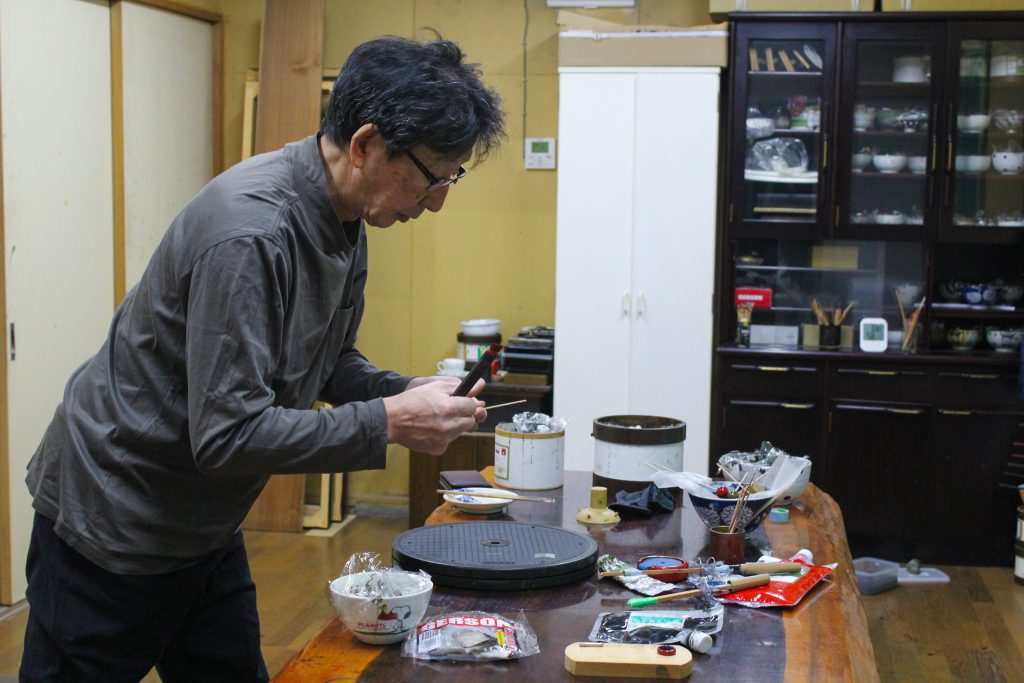
The “Yame Fukushima Buddhist Altar,” which originated in the late Edo period, has been designated as an Important Cultural Property of Japan. Among its approximately 80 processes, lacquer coating, a technique passed down from ancient Japan, plays a crucial role in bringing out its charm. With its unique texture and luster that cannot be achieved with metal or chemical paints, this artform is so beautiful that lacquer is known as “japan” overseas. Please take a look at the “japan” created by Yame’s lacquer craftsmen.
The Original and Ultimate Coating Material
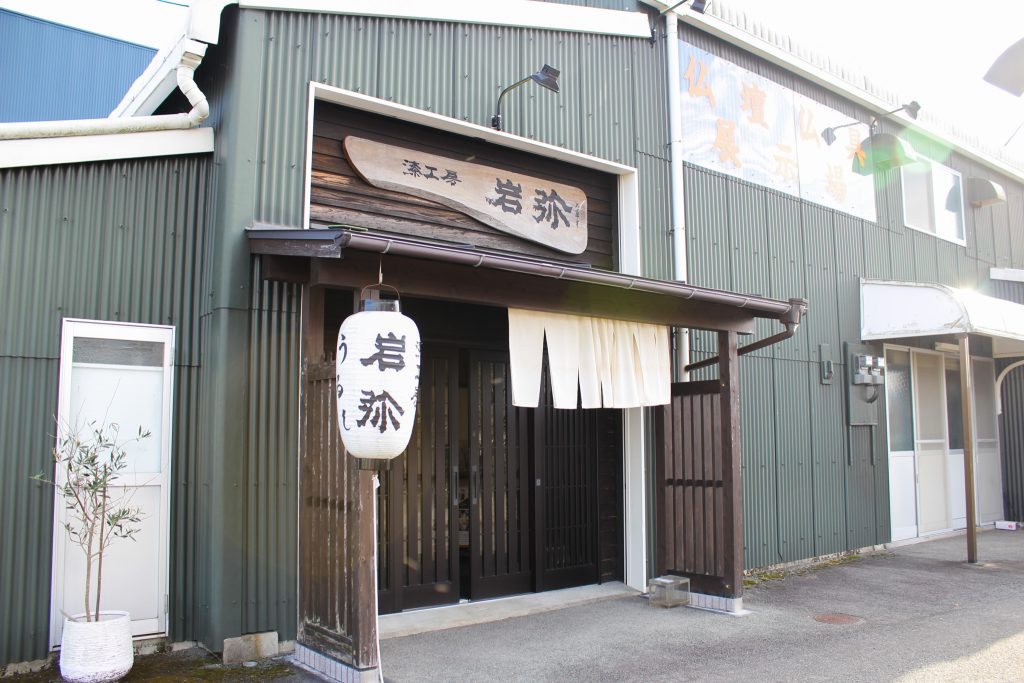
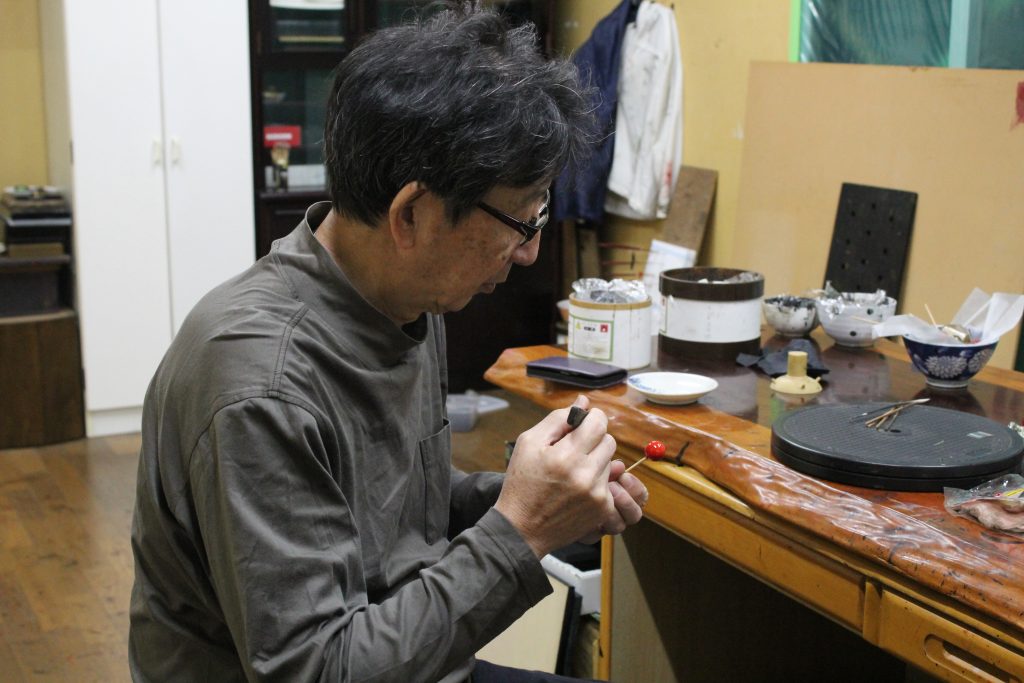
On this day, we visited a workshop marked by a large lantern with the character for “lacquer” prominently displayed at its entrance. At the Urushi Workshop Iwaya, craftsman Toshio Chikamatsu’s passion for lacquer work shone through.
Toshio Chikamatsu is a certified traditional craftsman who has honed his skills as a lacquer artisan for over 40 years. Born into a family of lacquer craftsmen spanning seven generations, he is the third generation counting from his grandfather.
Urushi is Japan’s oldest coating material and the finest, most superior finishing material.
It excels in durability, light resistance, and heat resistance, offers protection against insects and wind, and even has the ability to eliminate coronavirus within 24 hours. Though it’s an extremely high-end coating material, it’s notably gentle on the body.
It’s the ultimate coating material – beautiful, yet kind to both the body and environment…
Where Does Lacquer Come From?
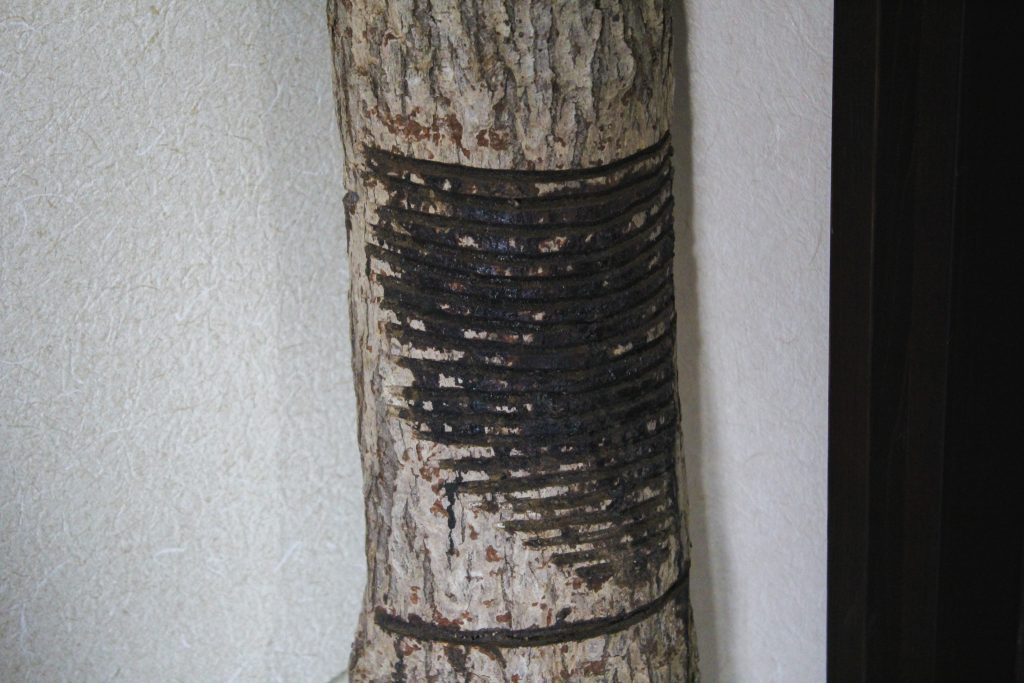
Lacquer is harvested by making incisions in lacquer trees to collect their sap. Even after growing a lacquer tree for 10-15 years, each tree only yields about one milk bottle’s worth (approximately 200cc) of sap, after which the tree must be cut down, making it an extremely precious material.
Domestic lacquer production in Japan is concentrated in Iwate Prefecture (70%), Ibaraki Prefecture (20%), and Kyoto Prefecture (remaining). The annual domestic production is just 1.5 tons, while the annual consumption is 25 tons, with 21.5 tons being supplied by Chinese lacquer. Japanese lacquer costs five times more than Chinese lacquer, and this precious domestic lacquer is primarily used for cultural property restoration and creation.
Inside the Workshop
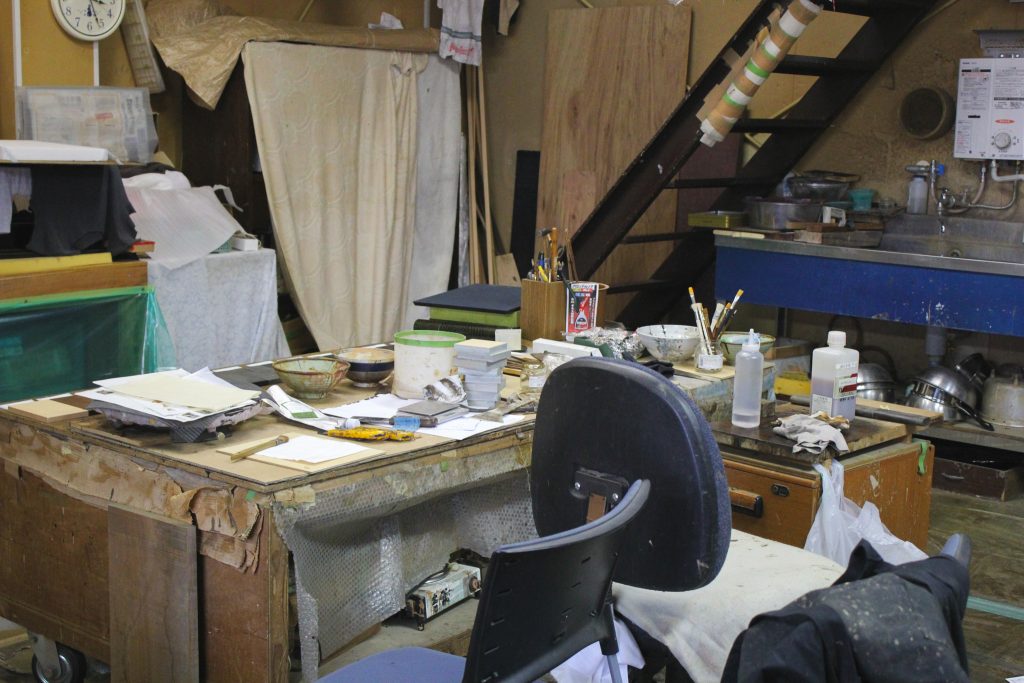
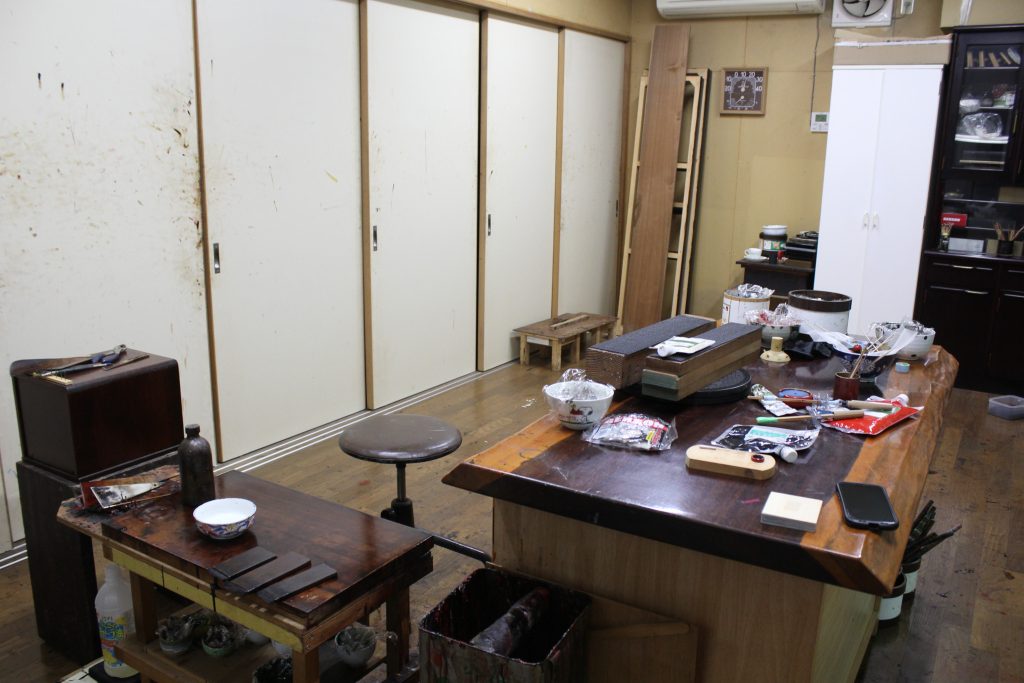
We were allowed to visit the actual workshop where lacquer work is performed.
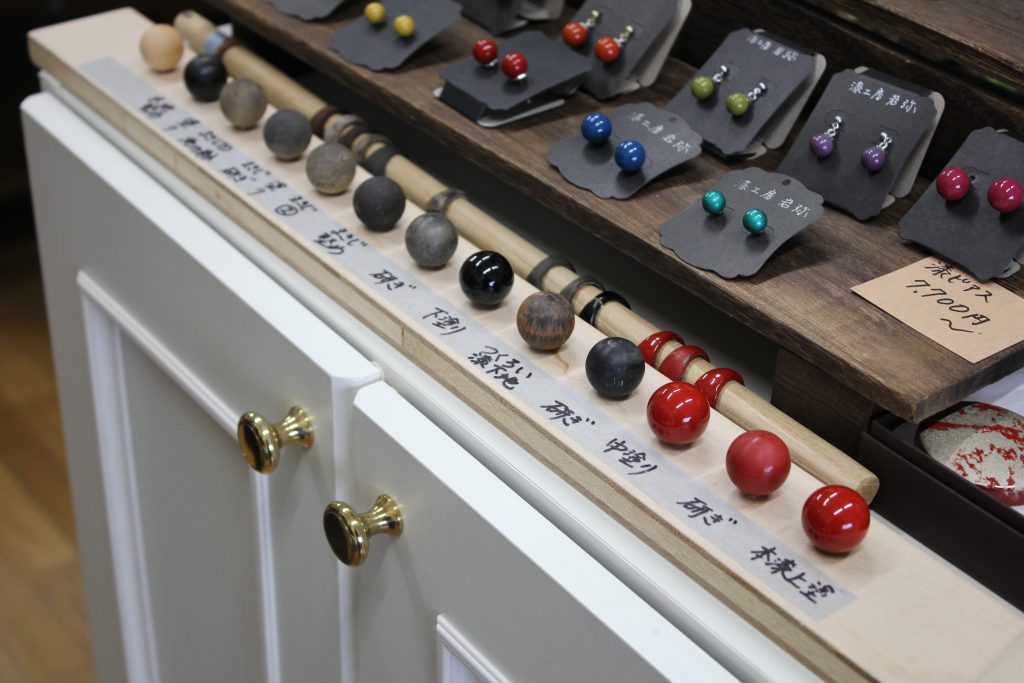
The lacquering process involves 18 to 25 basic steps…
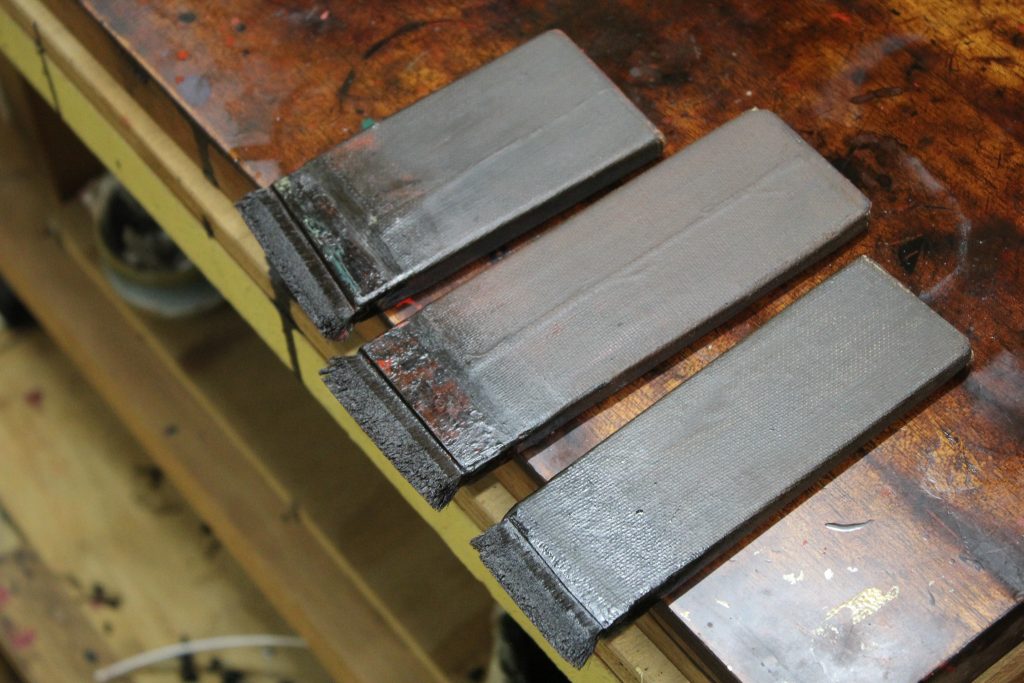
Among these processes, craftsmen consider the undercoating process to be the most crucial and pay meticulous attention to it. The undercoating serves as the foundation for all subsequent processes and significantly influences the final quality, requiring particularly careful work.
The final coating process requires the most precise attention.
The final coating work is done in a separate room. While the space for groundwork isn’t an issue, dust is the enemy when applying lacquer, hence the separate location.
They ensure no brush marks remain when applying the lacquer, and if any dust particles are found, they remove each one with a needle.
Lacquer work can only be done once per day due to the required drying time. Lacquer only dries in 70-75% humidity and takes 7-8 hours to dry. The ideal temperature is 20 degrees Celsius. If dried too quickly, it results in uneven coating. This incredibly detailed work truly exemplifies craftsmanship.
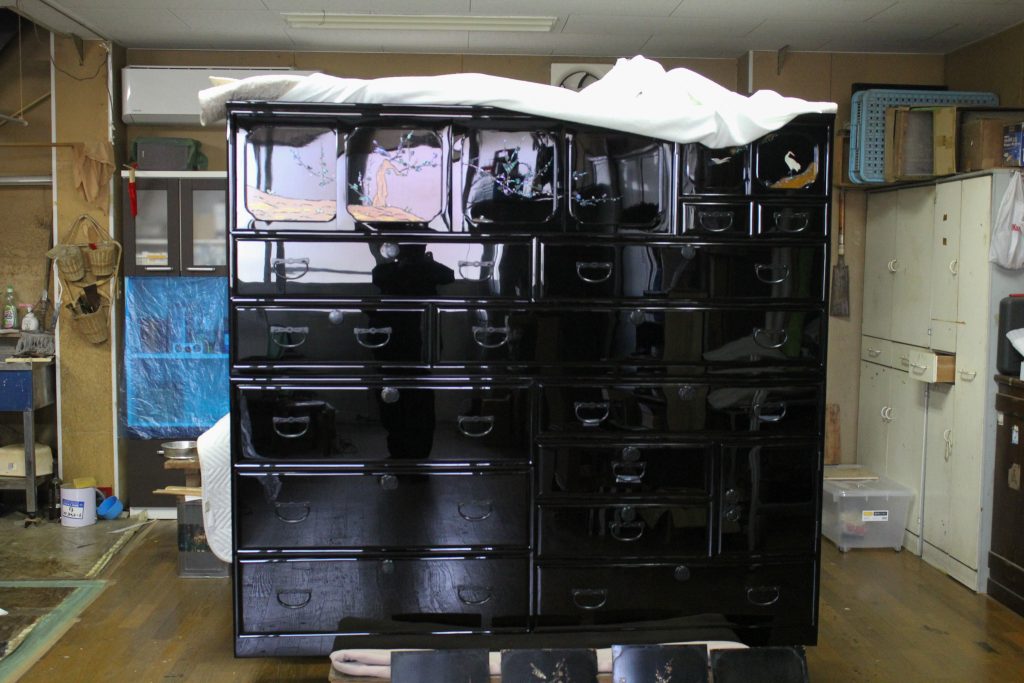
So, about that large chest we saw when entering…
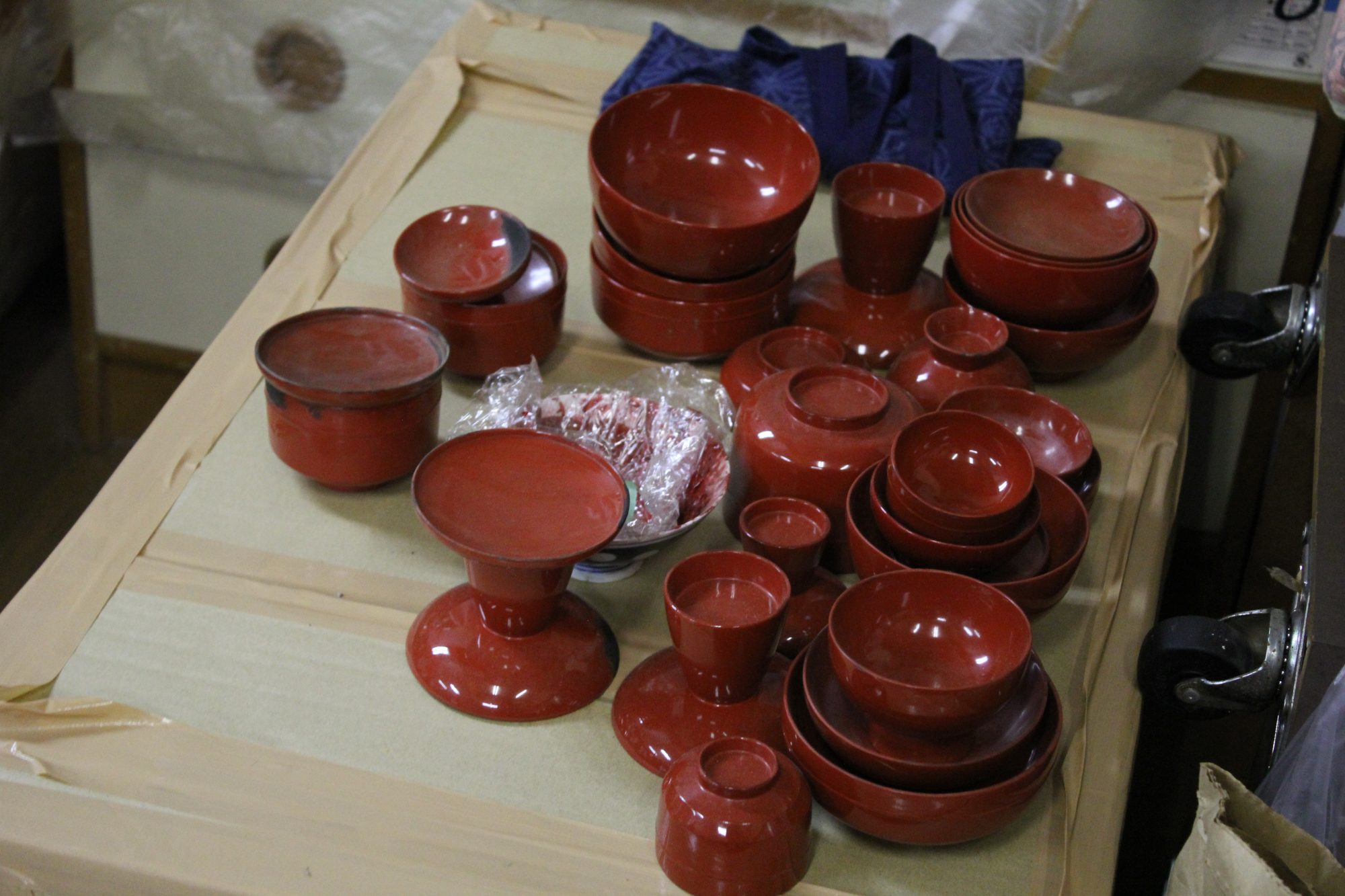
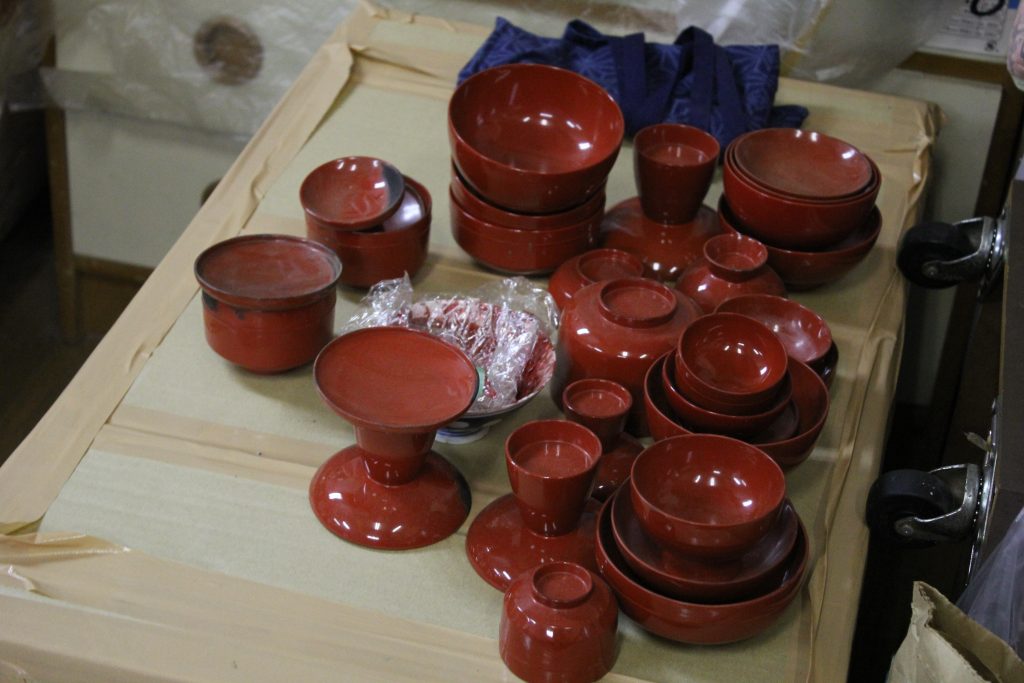
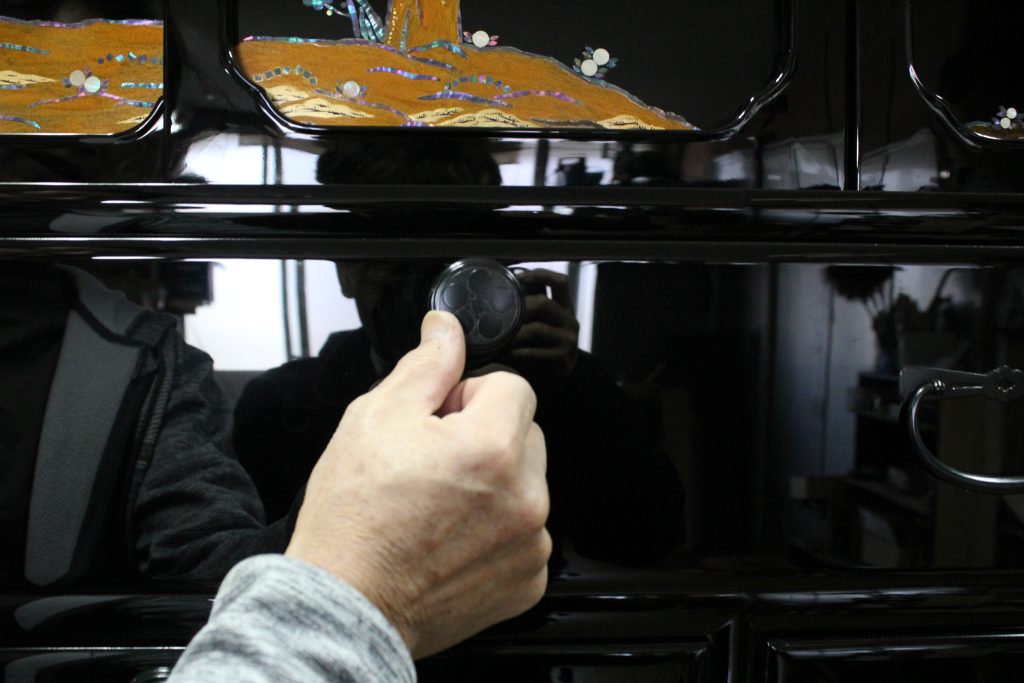
The amount of lacquer used for this chest costs about 1 million yen… While lacquer itself is precious, the largest cost comes from the craftsmen’s labor. The finish is so beautiful that it reflects like a mirror.
Large furniture pieces are prone to brush marks, so after careful polishing, the lacquer is meticulously brushed in to create a glossy finish. The shine is so mirror-like that it even reflects my image. This final finishing requires about 25 different steps.
Dedication to Tools
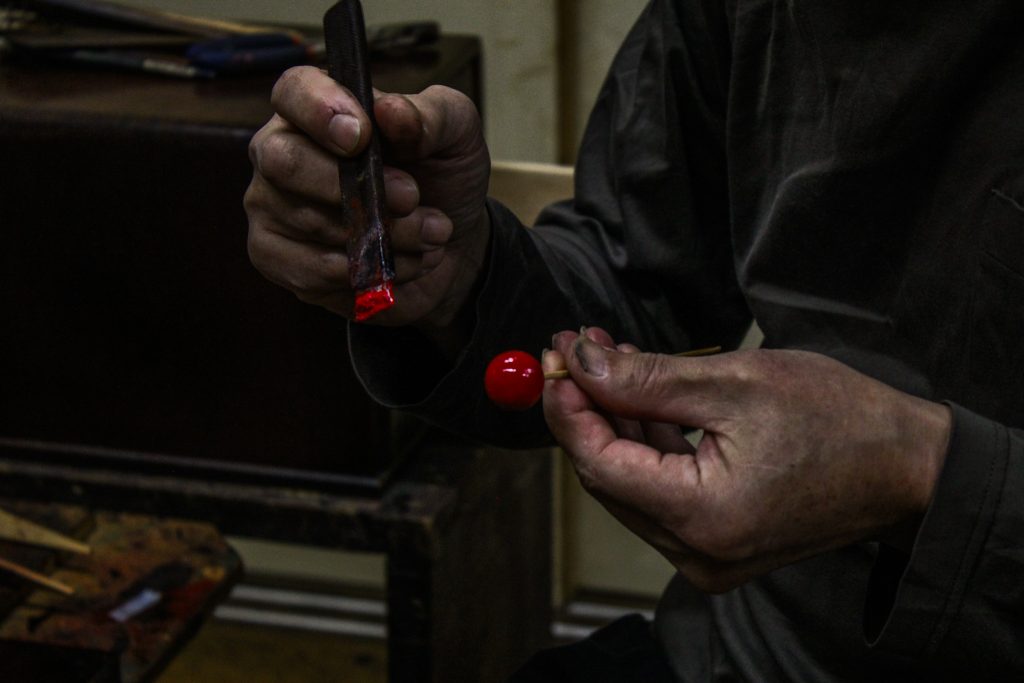
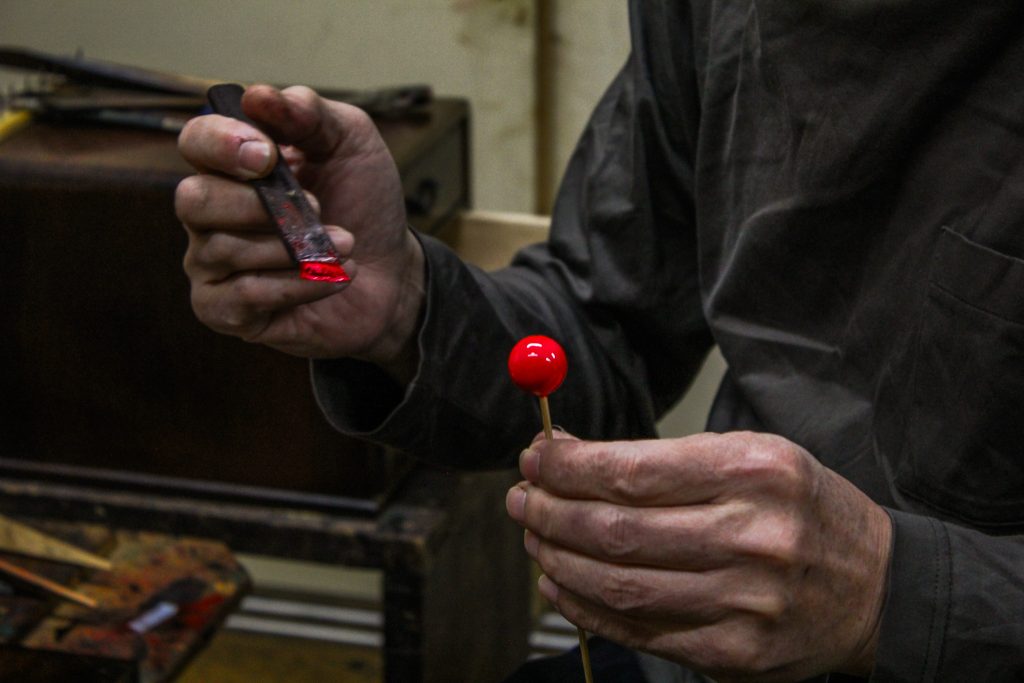
With such delicate lacquer work, Chikamatsu-san’s dedication to his tools was evident.
The brushes used for the final coating are made from women’s human hair. Human hair is smooth and has the right firmness, making it ideal for applying lacquer.
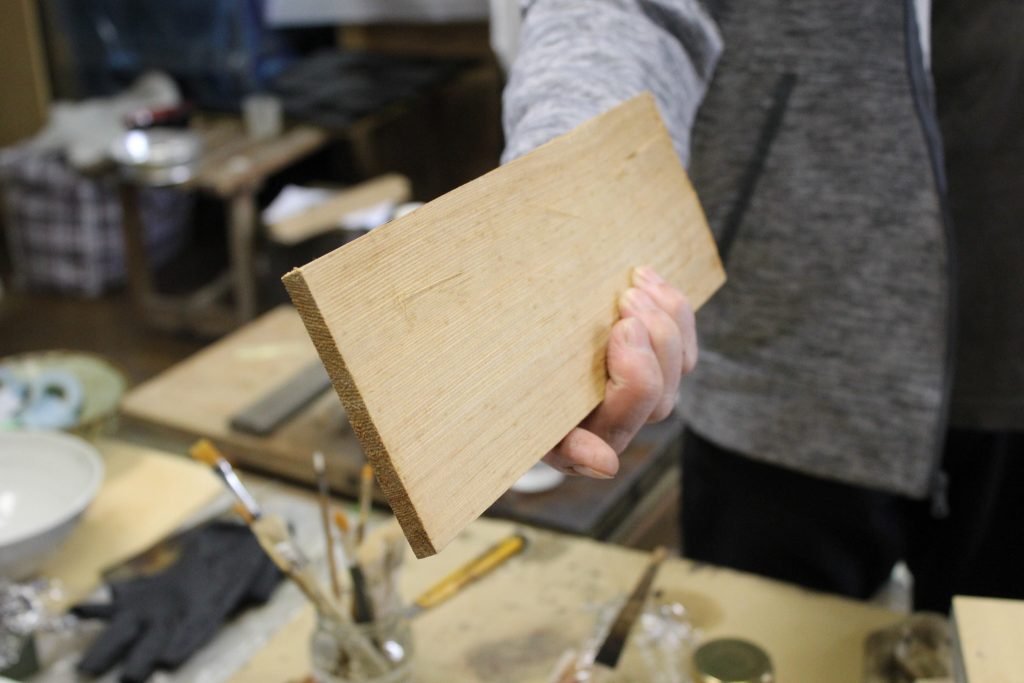
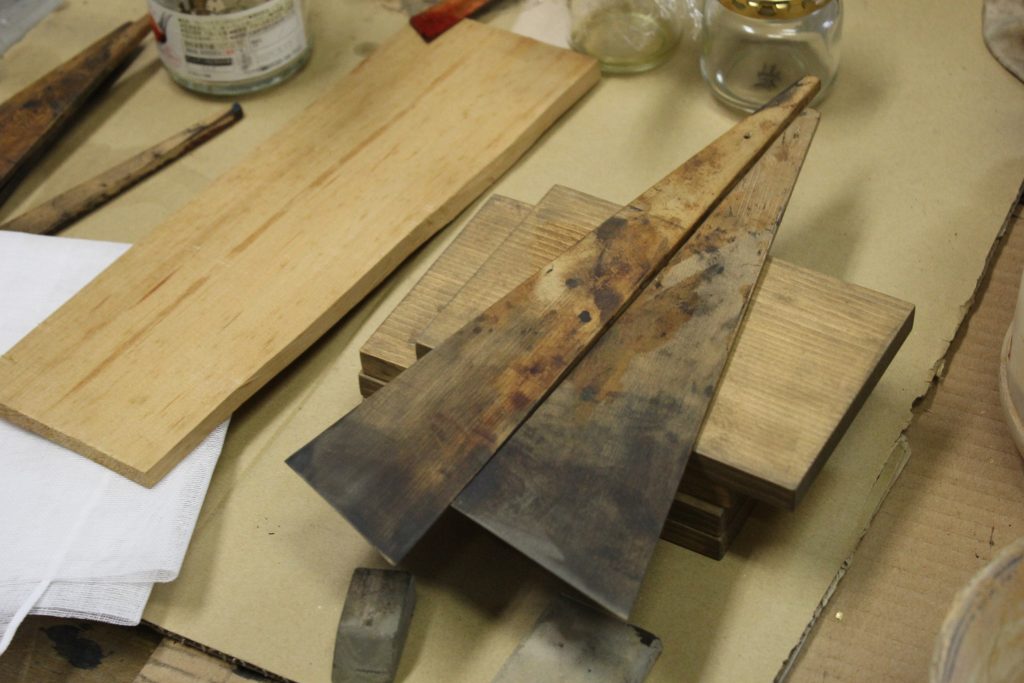
He handcrafts his own spatulas. By making them from wood to fit his own hands, they become more practical tools.
Like the undercoating in lacquer work, he says that valuing the basics and carefully building up each step is important in everything, but if you neglect this, the result will only be mediocre.
In modern times, when machine-applied coatings that achieve beautiful finishes without brush marks have become mainstream due to their relative affordability, what significance does hand-coating hold?
Hand-coating embodies the irreplaceable value of traditional craftsmanship. When artisans carefully apply each layer with dedication, it breathes life into the work.
It contains effort and emotion that machine coating cannot express, bringing warmth and comfort to daily life. This is the special value created by craftsmen’s skills and spirit, passed down through hundreds of years of history.
Urushi – Japan’s oldest and finest coating material. Craftsmen carefully apply each layer by hand, investing significant time in creation. The finish possesses a jewel-like beauty while emanating a certain warmth. Due to this special status, lacquer became known as “japan” overseas. It was a symbol representing historical Japan. For us living in modern times, there is meaning in preserving this proud “japan.”
====
Urushi Workshop Iwaya
Address:253-1 Takatsuka, Yame City, Fukuoka Prefecture